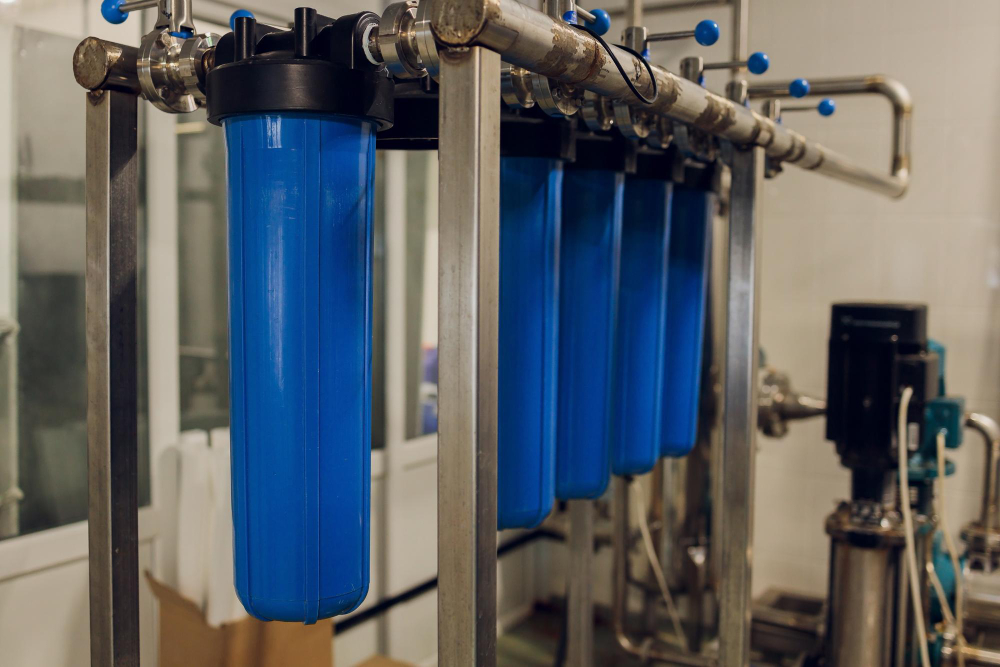
Carbon Water Filters
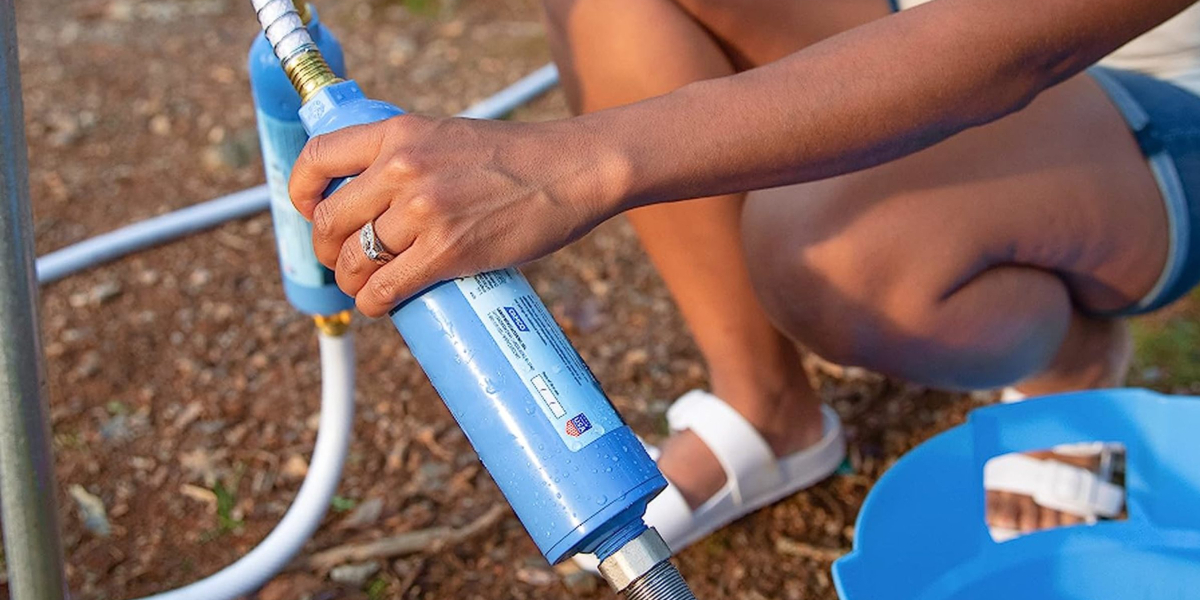
As you search for carbon water filters you may start wondering what the difference is between them. Well, other than the fact that only certain filters will match up with certain appliances, that is. But here are a few things to keep in mind and you find a new filter for your water purification system.
One thing to be happy about is that most water filters will have activated carbon as the purification medium. In the world of carbon water filters activated carbon, and especially carbon block filters, are the most effective. But as with anything there are varying degrees of quality and effectiveness even within the set of good choices.
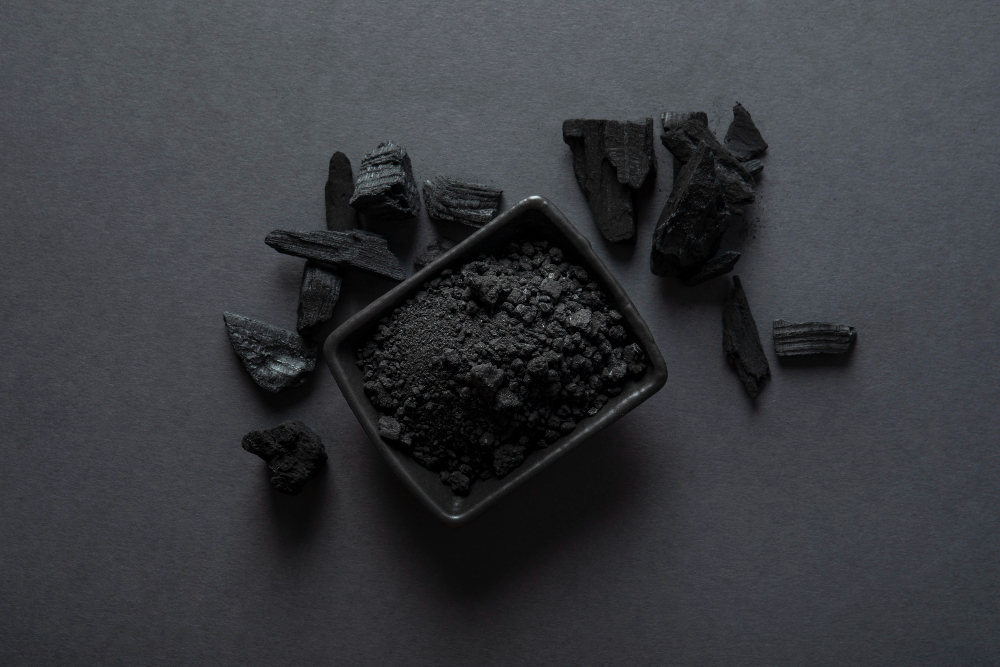
Even though it may not look like it, carbon is probably the most powerful absorbent we know of. He gets his power from the fact that on a very small scale the molecules in a carbon filter have a large surface area. In fact, just 1 pound of carbon has about the same surface area of 125 acres of Kansas prairie. That’s a lot of space, and that’s a lot of area to soak up contaminants from your water.
In addition to the surface area, many carbon water filters will use activated carbon. The term “activated” comes from the fact that the carbon has been given a slight charge to help attract impurities more effectively. So it’s not just a matter of the water filter simply screening out chunks of debris as the water flows through it. It doesn’t act like a screener, but on a molecular level.
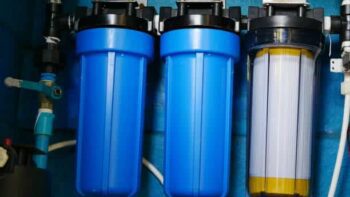
The individual particles in the current water filter will actually attract individual impurities out of the water and hold the filter. This is why filters need to be changed periodically because they become full of the contaminants that you’re trying to get rid of. The carbon block water filter is more effective than the granular style because the particles have more surface area. This means that more contaminants can be removed for a given amount of filter material.
If you have a choice between carbon water filters, or if you’re looking for a new water purification system, there are couple of numbers that you can look at to help determine which technology may be best. The filters are rated by the size of the particles are able to remove. This is measured in microns and you’ll usually find a number from fifty microns (least effective) to 0.5 microns (most effective). The other thing that you want to look at is how long the water is in contact with the filter material. While having a fast filtration process may seem like a benefit, a carbon water filter that is not able to be in contact with the water for very long will not be able to filter out very much of the contaminants. So finding a filtration system that actually has a slower flow rate, might produce better filtration results because the water is in contact with the filter for a longer amount of time.
The only way to know for sure, is to test your water before filtration, and then again afterwards. Compare the results and you will know how exactly how effective your water filtration system is. If you don’t want to go through the trouble and expense of lab testing, you can just try tasting your water before hand, and then again after filtration, and see what sort of difference you detect. Most people just want to remove a “bad taste” and most municipal water systems are safe to begin with, so this should be a perfectly adequate test.